Compression
WebP vs AVIF in 2026: which format actually wins
AVIF compresses harder, WebP decodes everywhere. Here’s how to choose per image instead of picking a religion.
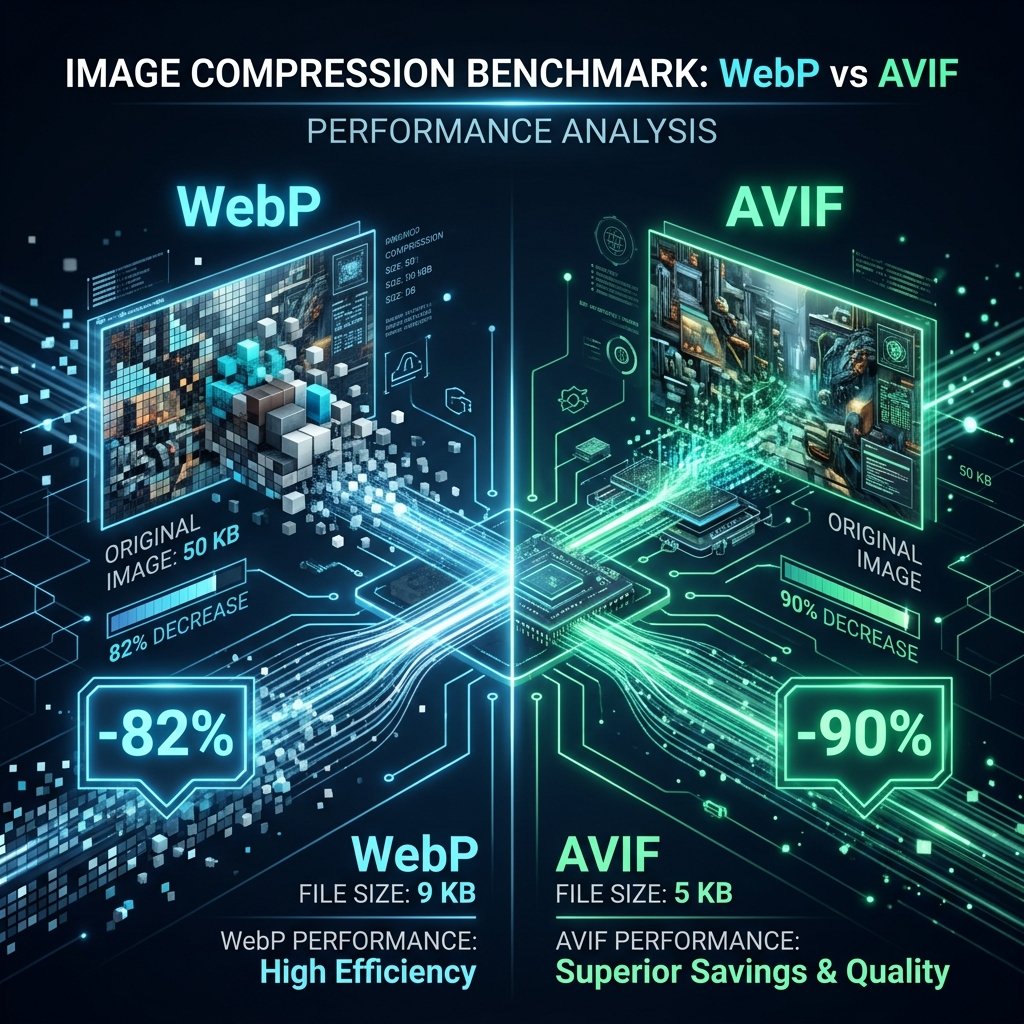
The WebP-versus-AVIF debate is usually argued as if one format has to win outright. In production it’s a per-image decision, and the trade-offs are clear enough to make that decision automatically.
What each format is good at
AVIF generally wins on file size — 20–40% smaller than WebP at comparable quality, especially on photographic content and gradients where its newer entropy coding shines. It also handles wide colour and HDR better.
WebP wins on ubiquity and speed. It decodes faster on low-end devices, is supported by essentially everything shipped in the last several years, and its encoders are mature and fast.
The decode-cost catch
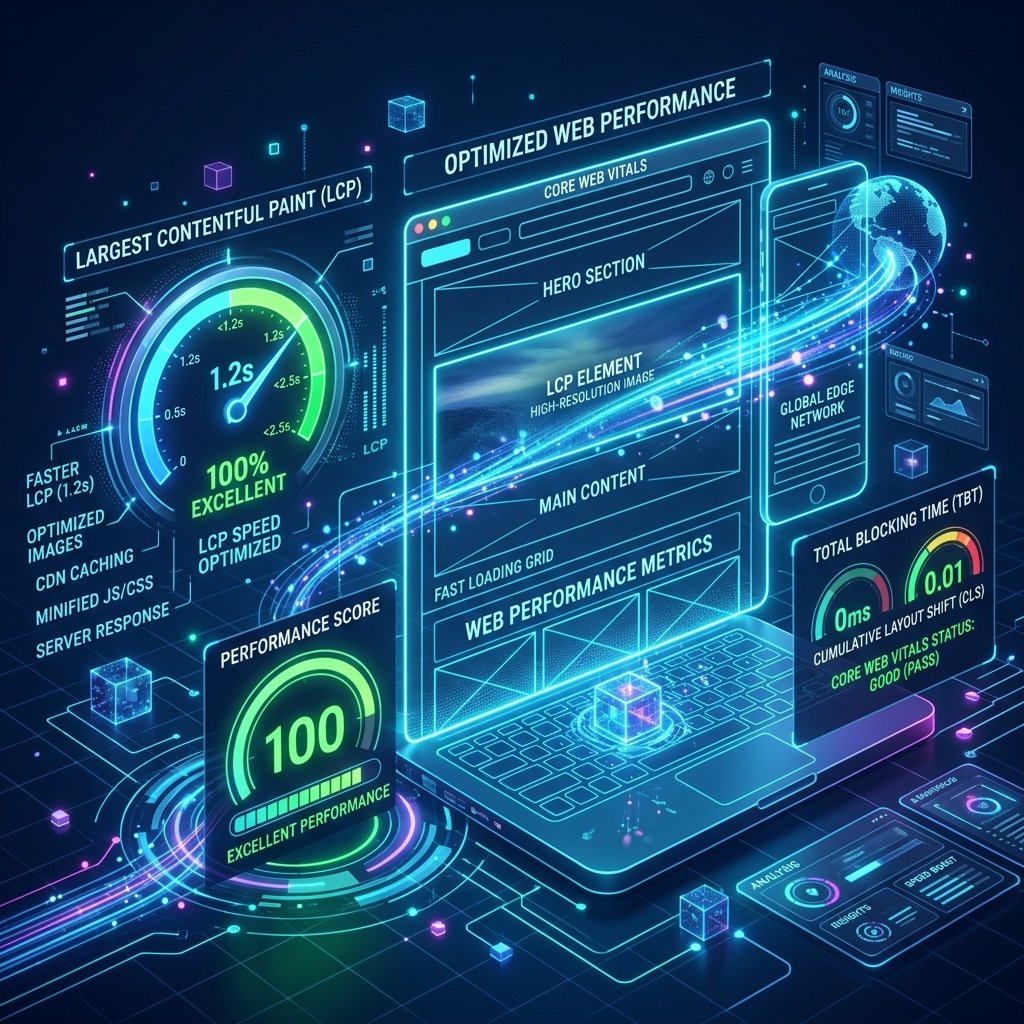
AVIF’s smaller files aren’t free: decoding them is more CPU-intensive. On a fast connection and a slow phone, a heavier-to-decode AVIF can render later than a slightly larger WebP. Largest Contentful Paint is about when the pixels appear, not when the bytes arrive — so the smallest file isn’t automatically the fastest.
A rule you can automate
- Large hero and photographic images where bytes dominate → AVIF, with a WebP fallback.
- Thumbnails, icons and UI imagery where decode and compatibility dominate → WebP.
- Anything that must render instantly above the fold → test both and keep whichever paints first, not whichever is smaller.
Takeaway: don’t pick a format for your whole site. Convert to both, measure paint time on the pages that matter, and let the per-image winner ship. That’s the default Image SEO King uses when AVIF is enabled.
Do this automatically to your whole library
Image SEO King writes EXIF, IPTC and XMP, converts to WebP/AVIF and generates AI metadata for thousands of images at once.
Start free — 25 images